
Quilting - Where Fabric Becomes Art
With the Janome MC 6700 P and 10 years of experience, I sew quilts in all sizes and techniques
Quilting is the art of joining together multiple fabric layers into one piece - whether as a cozy blanket, as wall art, or as small accessory. From traditional patchwork to modern Foundation Paper Piecing: There are countless paths to a finished quilt.
My Path to Quilting
It started over 10 years ago - and has since become my greatest creative passion.
At the beginning there was simple patchwork: colorful fabrics sewn into squares and rectangles. But quickly I discovered that quilting is so much more. Traditional blocks like Log Cabin, Nine Patch, or Flying Geese were just the beginning.
Over the years, I explored the most diverse techniques: English Paper Piecing for precise hexagons, Modern Quilting with asymmetric designs, and finally Foundation Paper Piecing - the technique that fascinates me most to this day.
Today I sew quilts in all sizes: from small mug rugs and cushion covers to bed-size quilts. Every project is unique, every fabric combination a new challenge.
Janome MC 6700 P - Proof that a Household Machine is Enough
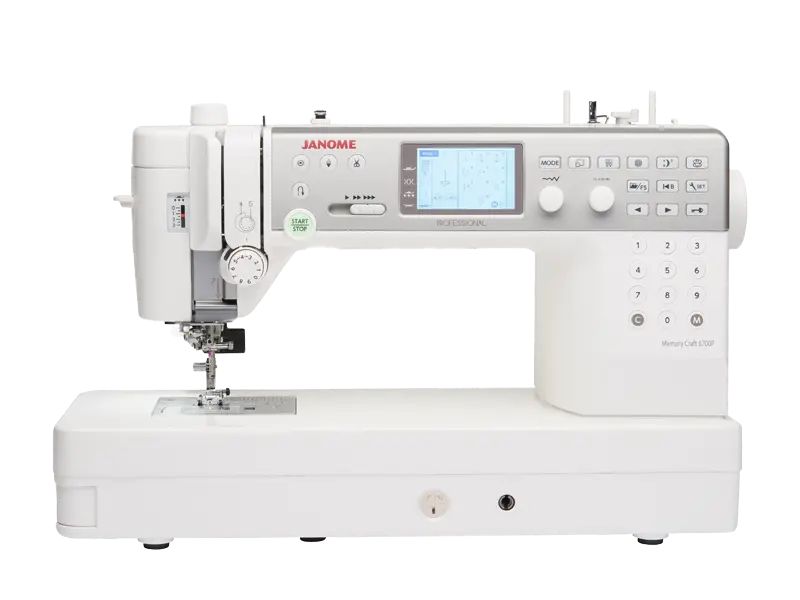
Many quilters dream of a Longarm - a large quilting machine with its own frame. But my Janome proves that you can create impressive quilts with a high-quality household machine.
What makes the MC 6700 P perfect for quilting:
- Large working area with 10 inches to the right of the needle
- Strong motor that easily sews through multiple layers
- Precise stitch formation, even with thick batting
- Extension table for optimal fabric guidance
Quilting Techniques I Use
Every technique has its charm - and its challenges. Here is an overview of the methods I use.
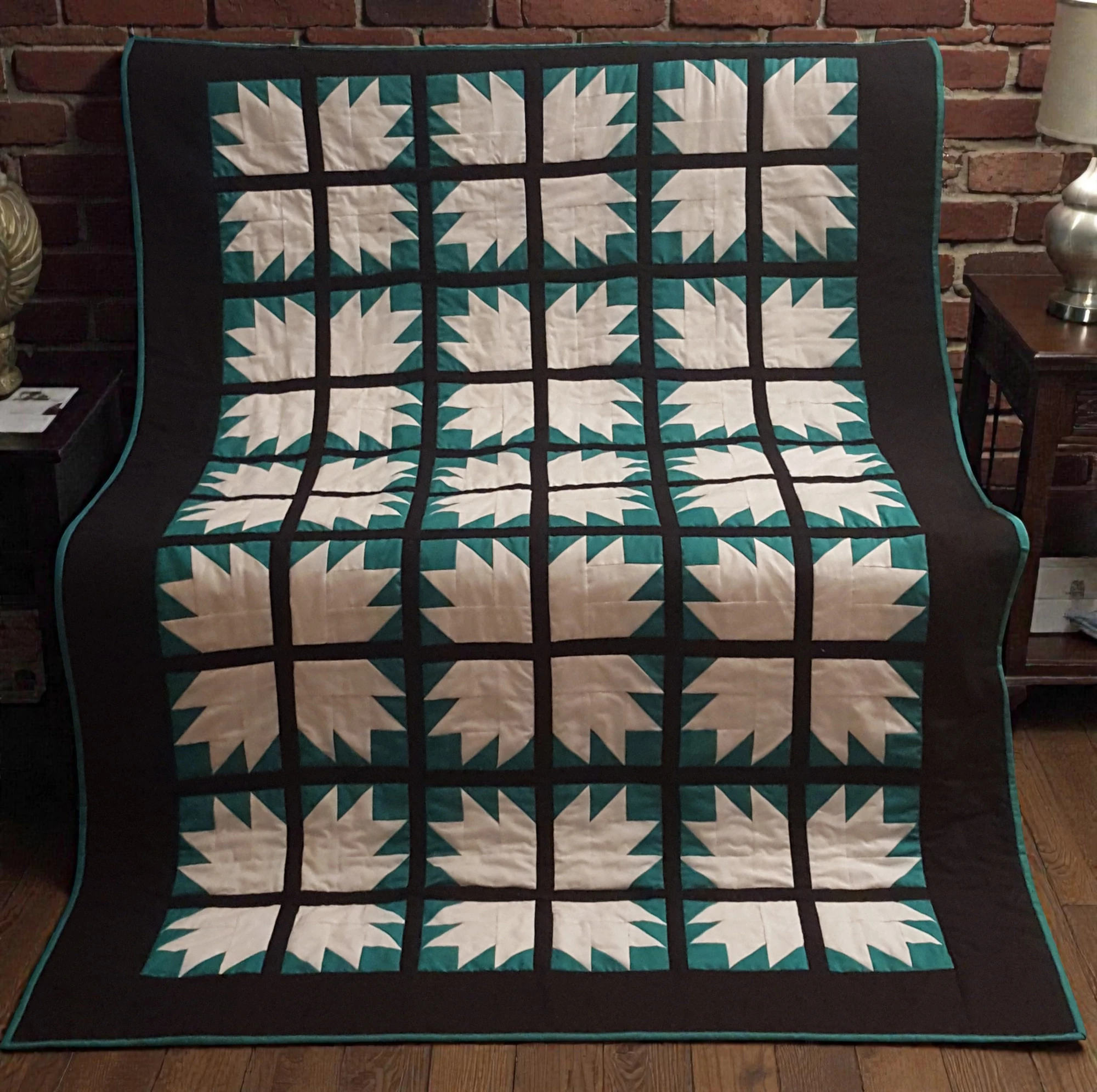
Traditional Blocks - The Classics
Traditional quilt blocks are the foundation of the quilting world. Patterns like Log Cabin, Nine Patch, Flying Geese, or Bear Paw have been around for generations and still inspire quilters today.
What makes them special?
Traditional blocks follow geometric rules. Precisely cut squares, triangles, and rectangles are assembled according to plan. The appeal lies in the interplay of colors and the repetition of patterns.
Classic block patterns:
- Log Cabin - The most famous of all quilt blocks
- Nine Patch - Simple yet versatile
- Flying Geese - Dynamic triangles in a row
- Bear Paw - A demanding classic
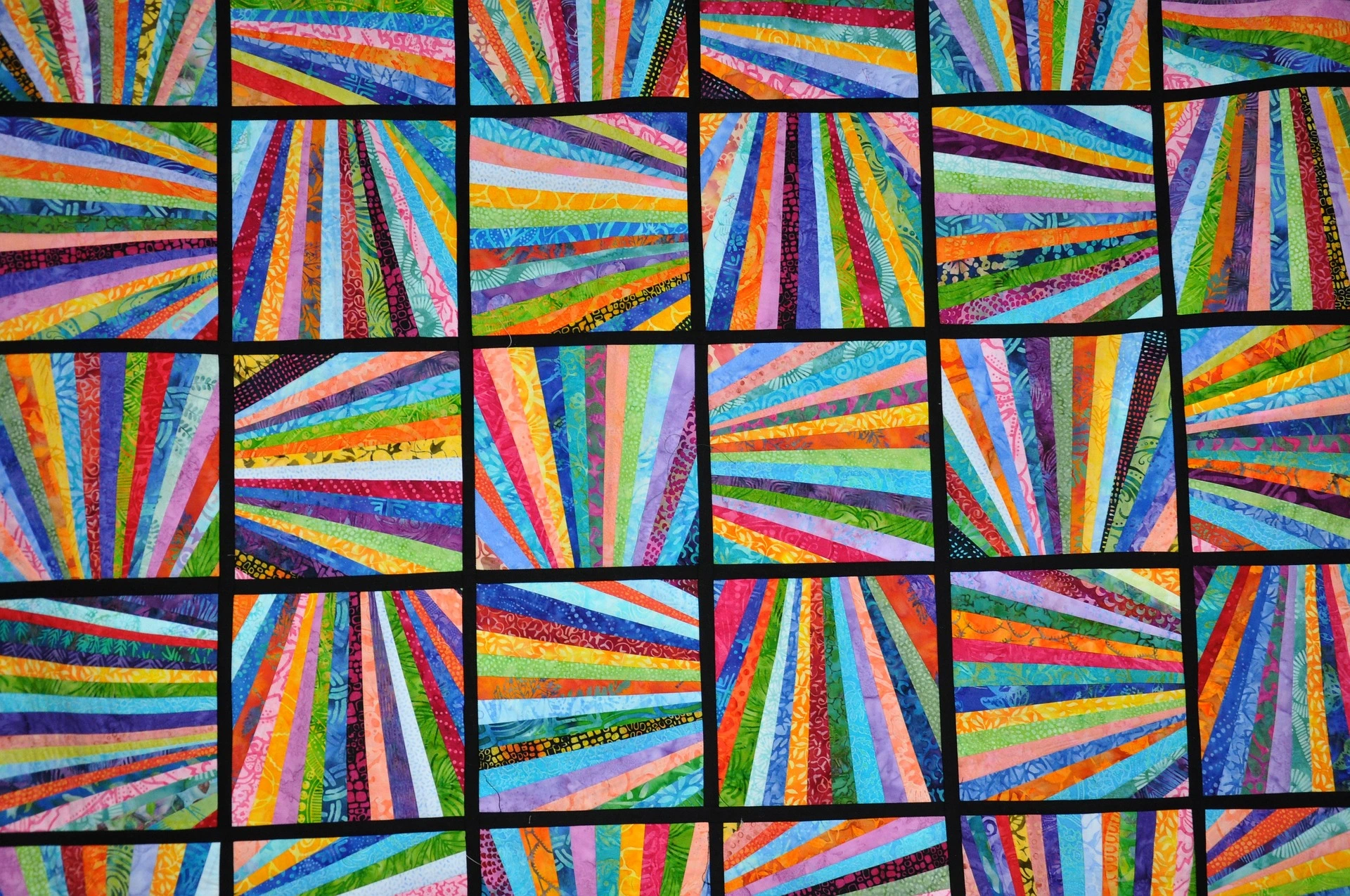
Modern Blocks - Breaking the Rules
Modern Quilting emerged as a movement in the 2000s. It deliberately breaks with traditional rules: asymmetric designs, a lot of negative space, bold color choices, and improvisational elements.
Characteristics of Modern Quilting:
Large solid-colored areas, unexpected color combinations, minimalist designs, and often a deliberate "imperfection" that gives the quilt personality.
Typical Modern techniques:
- Improv Quilting - Freehand without exact measurements
- Minimalist Designs - Less is more
- Color Blocking - Strong color contrasts
- Negative Space - Empty areas as design element
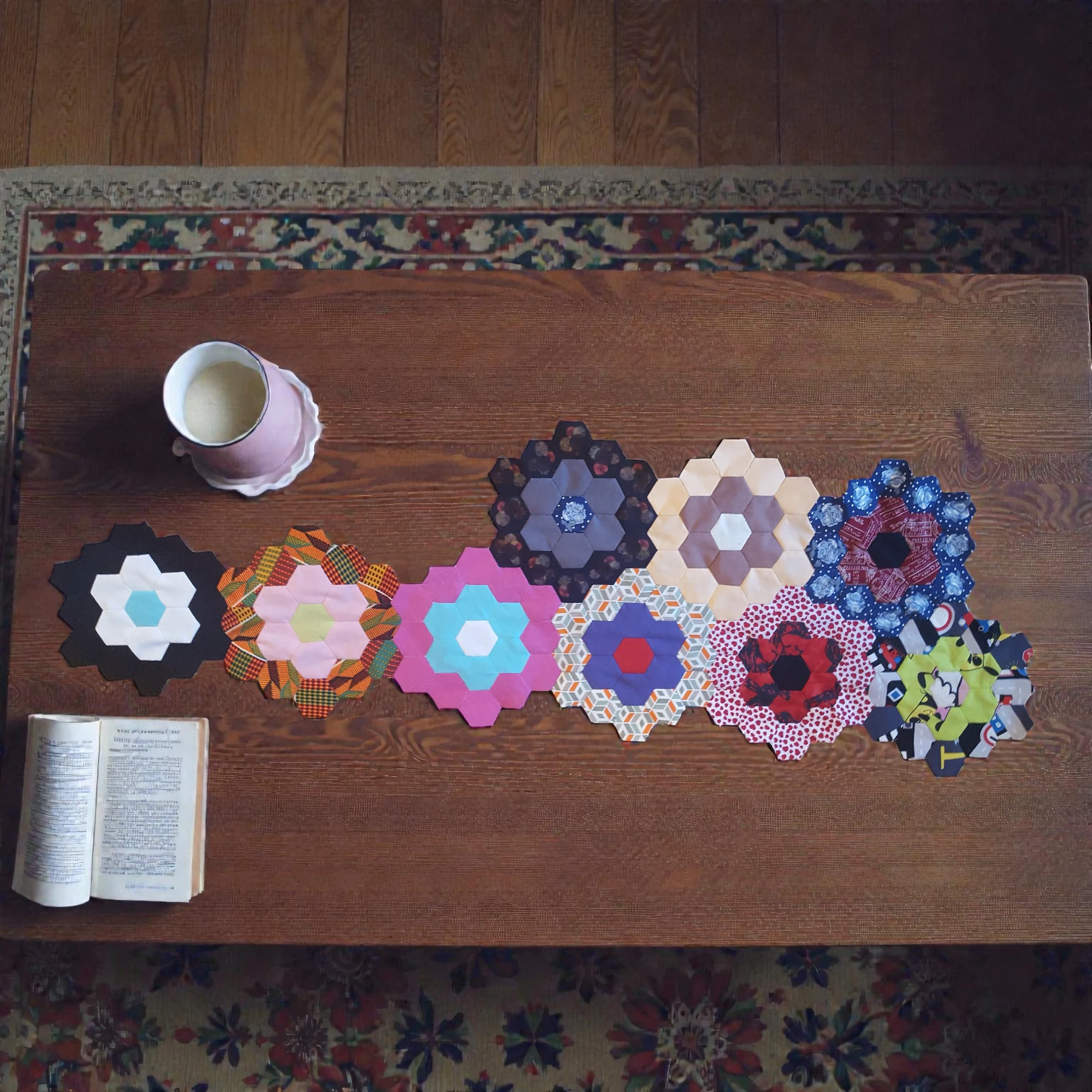
English Paper Piecing (EPP) - Precision for On the Go
English Paper Piecing is a hand-sewing technique where fabrics are wrapped around paper templates and sewn together. Perfect for hexagons, diamonds, and other shapes that are difficult to create precisely on the machine.
How does EPP work?
Fabric pieces are basted around paper templates, then hand-sewn together with whipstitches. After completion, the paper is removed and can be reused.
Advantages of EPP:
- Perfect for on the go - no machine needed
- Maximum precision for complex shapes
- Meditative hand work
- Classic technique for Grandmother's Flower Garden pattern
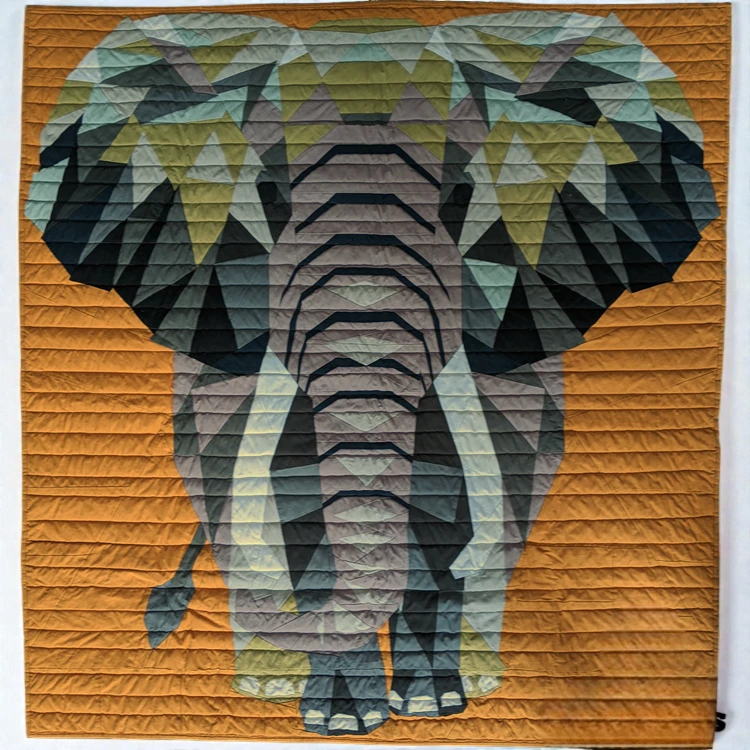
Foundation Paper Piecing (FPP) - My Absolute Favorite
Foundation Paper Piecing is the technique that captivates me most. Fabric pieces are sewn directly onto paper templates in numbered sequence. This creates designs with razor-sharp precision that would be nearly impossible to achieve through traditional piecing.
Why is FPP so special?
You sew from the back through the paper, following printed lines. The numbers indicate the sewing sequence. After completion, the paper is torn off. This allows complex motifs like animals, buildings, or abstract designs.
Why it's my favorite technique:
- Extreme precision - every seam sits perfectly
- Complex motifs that look like fabric painting
- Logical process - step by step to the goal
- Every finished block feels like a small miracle
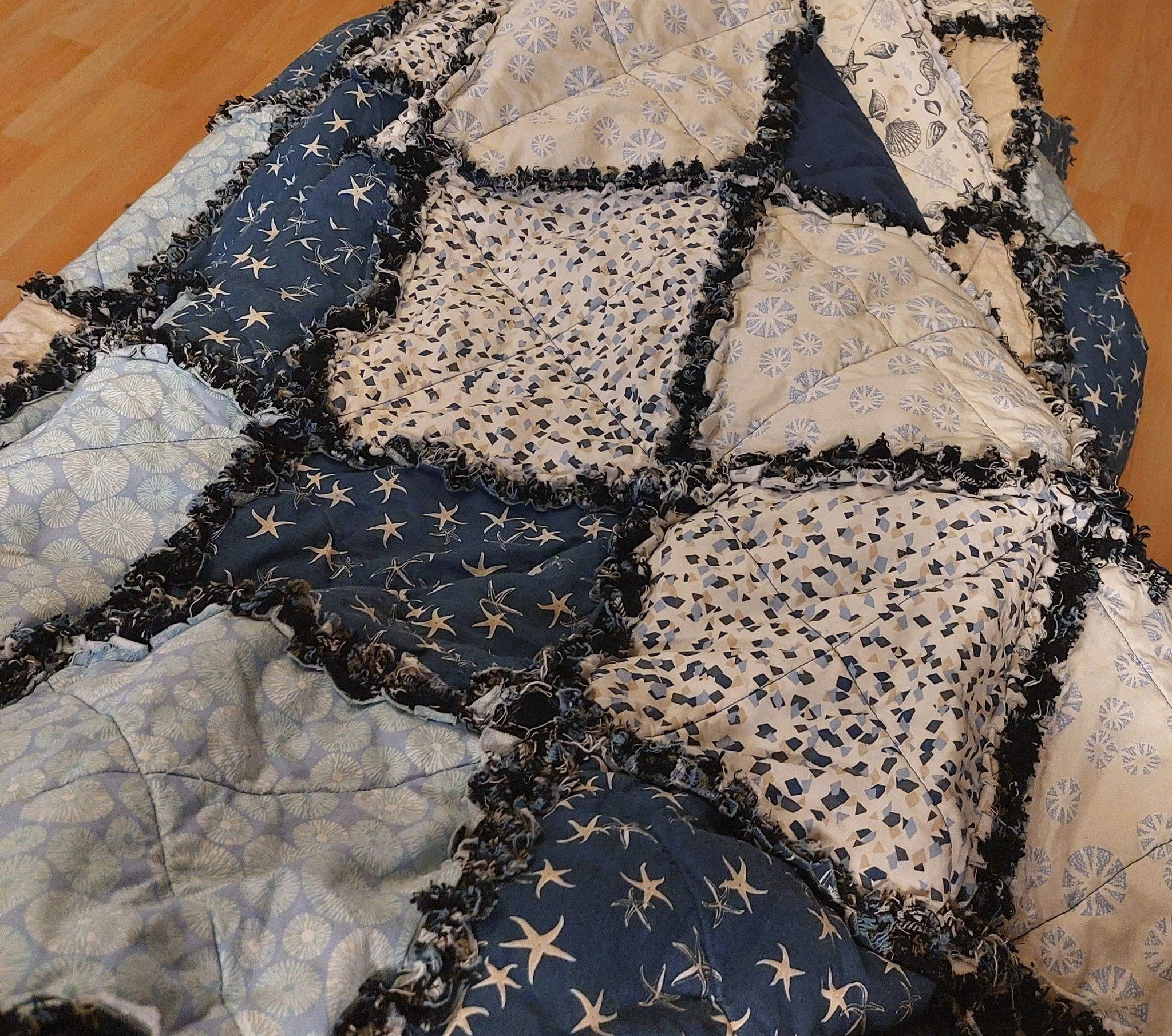
Ragquilts - Cozy with Frayed Edges
Ragquilts are the epitome of coziness. Unlike traditional quilts where seams are hidden, Ragquilts flaunt their seam allowances. After washing, the edges fray and create a soft, textured surface.
What makes Ragquilts unique?
The seam allowances lie on the top and are clipped after sewing. In the washer and dryer, the edges fray and become wonderfully soft. The more often the quilt is washed, the cozier it gets.
Perfect for:
- Baby and children's quilts
- Cuddly blankets for the couch
- First quilt project (beginner-friendly)
- Upcycling old clothing
Quilt Coaching for Beginners
You want to learn quilting but don't know where to start? I offer personal coaching for beginners and advanced quilters.
What I offer:
- Introduction to the basics: fabric selection, tools, cutting
- First patchwork block together
- Machine quilting basics
- Individual projects according to your wishes
Format: Online via video call or in-person if local. Individual sessions or small groups possible.
Frequently Asked Questions about Quilting
Ready to Start Quilting?
Whether you're looking for inspiration in my quilt gallery or want to get started yourself - I look forward to your message.
From traditional patchwork to modern Foundation Paper Piecing - quilting is an art form that rewards patience with unique, handmade treasures.